
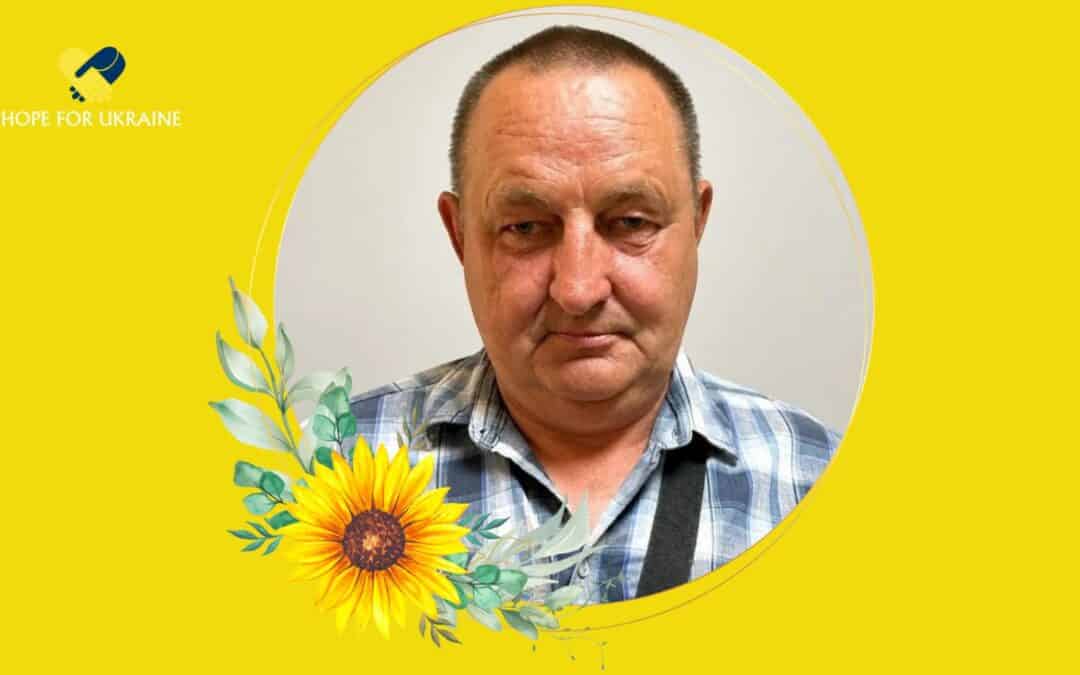
A Russian drone killed a volunteer in Ukraine’s Sumy region while he was delivering humanitarian aid to families living near the front line. His name was Oleksandr. He was part of the Ukraine humanitarian volunteers Hope For Ukraine works with across the country, and his death shows exactly what these volunteers risk every time they load a vehicle and drive toward the people who need them.
Oleksandr was not a soldier. He was not near any military target. He was carrying aid to people in communities close to the fighting when the drone found him.
Sumy region sits along Ukraine’s northeastern border, and the communities there have been under growing pressure for months. Attacks in the area have hit homes, transport routes, and the people who keep supply lines running. In one earlier case near Velyka Pysarivka in Sumy Oblast, a drone struck a site where residents were receiving humanitarian aid, injuring two people who had come simply to collect food. That is the same kind of ground Oleksandr was covering. He drove toward villages where people have limited access to stores, transportation, or basic supplies. For families in those places, his arrival meant food on the table or medicine that had been hard to reach any other way. This time, he did not make it back.
A humanitarian vehicle carrying food or medical supplies is not protected simply because of what it carries. Volunteers travel roads that can be hit by drones with almost no warning, and the past year has made that danger worse, not better. Reporting on the war has documented a shift in how these attacks unfold. Drone operators have increasingly targeted civilian transportation, first responders, and people delivering aid directly, sometimes striking the same location twice within minutes to hit anyone who arrives to help. The United Nations has described this pattern as part of a broader campaign to make frontline communities harder to live in and harder to reach. Oleksandr’s death fits that pattern. He was not caught in random crossfire. He was doing the work that keeps frontline families fed, and that work has become one of the most dangerous jobs in Ukraine.
The risk Oleksandr faced is not an isolated story. It shows up clearly in the data humanitarian organizations track every year. In 2025 alone, eight humanitarian workers were killed in Ukraine, four of them while actively on duty, and 47 more were injured in attacks that also damaged evacuation vehicles, warehouses, and aid trucks. Between January and April of 2026, three more humanitarian workers were killed and ten others injured, with officials warning that these attacks were intensifying and making aid delivery increasingly difficult in some areas.
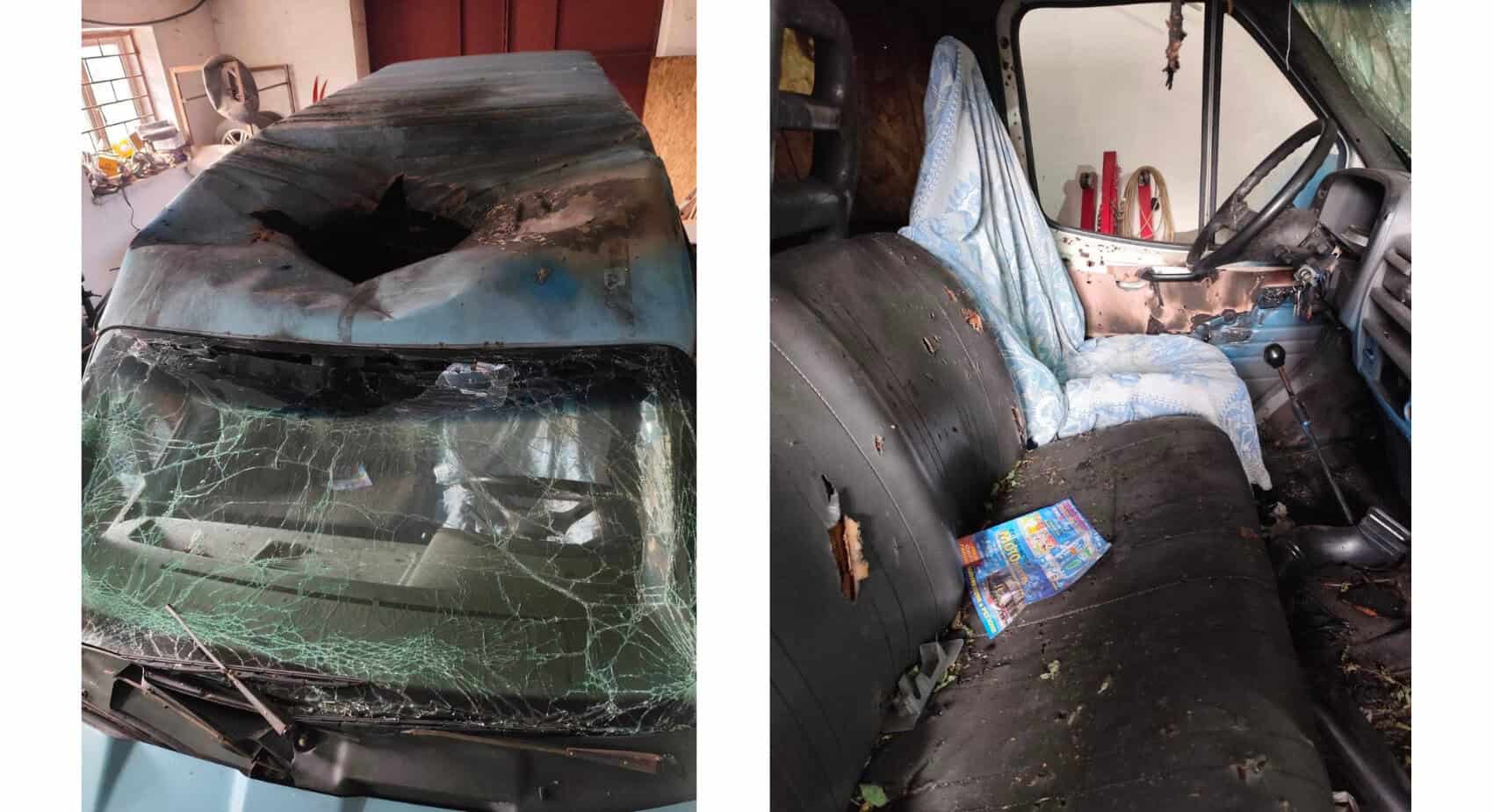
The danger has not stayed confined to volunteers alone. Across the first six months of 2026, monitors verified 1,396 civilians killed and 7,978 injured throughout Ukraine, a 37 percent increase over the same period in 2025, with short-range drones responsible for most of the deaths and injuries near the front line, where June 2026 recorded the highest monthly toll of the war so far. Globally, the United Nations counted more than 1,000 humanitarian workers killed over the past three years, with 25 of those deaths recorded in Ukraine. Every one of those numbers was a person who got in a vehicle to help someone else. Oleksandr was one of them.
Hope For Ukraine’s volunteers carry food, hygiene supplies, first aid, and other essentials into communities affected by the war. Through the Frontline Support Program, volunteers help transport humanitarian aid and assist with evacuations in areas close to active fighting, alongside the organization’s broader Family Support and Medical Support work. None of that work happens without someone willing to drive the route. Volunteers pack the vehicles. They coordinate where the need is greatest. They travel toward villages that others are trying to leave. Oleksandr’s death does not mean that need has gone away. Families near Sumy are still waiting on deliveries. Older residents who cannot relocate still depend on volunteers as one of their only connections to outside help. The organization’s broader humanitarian programs, including Refugee support and Solar Energy Resilience, depend on the same network of people willing to make that trip.
Oleksandr should be remembered for what he was doing when he died, not only for how he died. He was serving people he had never met, in places most people would not choose to go. His fellow volunteers are grieving him. They are also continuing the work, because the families waiting at the end of those roads have not stopped needing help.
Your gift helps Hope For Ukraine keep humanitarian assistance moving into frontline communities and supports the volunteer network that carries it there. You can donate to Hope For Ukraine today to help Ukrainian families, seniors, and children get the food, medical care, and emergency support they need.
We remember Oleksandr for his courage and his service. We will not forget him.
About the Author
Evan Raftes serves as the Marketing and Community Engagement Manager at Hope For Ukraine, sharing the stories of Ukrainian communities and connecting supporters with meaningful ways to help children and families affected by the war.