
In recent days, global attention has turned toward diplomatic tensions surrounding statements made after the Mar-a-Lago peace discussions, raising significant concern about the reliability of information shaping global responses to the war in Ukraine. Hope For Ukraine CEO Yuriy Boyechko has emphasized the growing humanitarian implications when international narratives are influenced by unverified claims rather than verified intelligence and on-the-ground reality.
Reports surfaced that Russia informed U.S. leadership of a large-scale Ukrainian drone strike targeting a residence in the Novgorod region. Ukrainian leadership immediately rejected the allegation, publicly stating that the claim was untrue and warning that such narratives may be used to justify increased military escalation. International observers and security experts have also expressed concern about the danger of misinformation in conflict situations, particularly when messaging risks influencing diplomatic behavior and humanitarian response.
For families in Ukraine, the discussion is about far more than geopolitics. Civilians continue to face displacement, infrastructure damage, limited access to energy, and ongoing uncertainty about the future. Comments suggesting that aggression and violence are aligned with Ukrainian well-being have been deeply painful for many Ukrainians who are living through daily hardship. Communities who have endured loss, trauma, and instability are seeking clarity, commitment to truth, and responsible leadership from the global community.
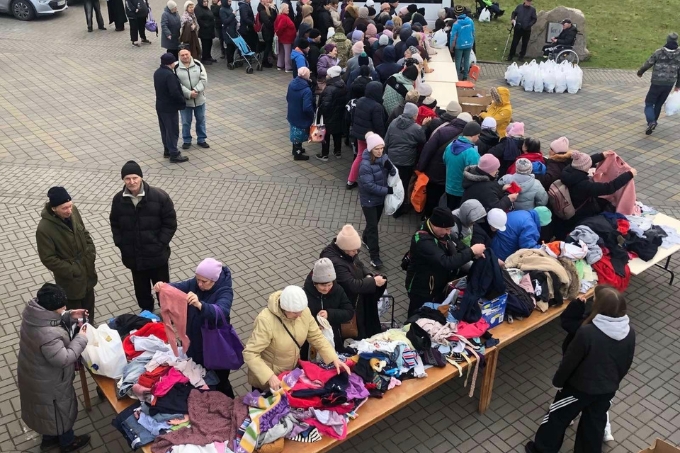
At Hope For Ukraine, our focus remains firmly on supporting the people who are most affected. Regardless of political narratives, children still need access to education, families still need food and heating support, displaced individuals still need shelter, and vulnerable communities still require emotional and psychological care. The humanitarian needs remain significant, and real human lives continue to be impacted every day.
Misinformation in conflict does not simply distort headlines — it affects safety, trust, and the pace of relief efforts. That is why organizations like Hope For Ukraine continue to advocate for responsible communication, transparency, and compassion-driven action. We believe that the future of Ukraine must be grounded in truth, dignity, security, and meaningful support for those living through the consequences of war.
Hope For Ukraine will continue to uplift communities, provide essential aid, and stand with families who deserve stability, respect, and hope. No matter how narratives shift globally, the commitment to humanitarian care remains unchanged.