
Violent drone and missile attacks lead to PTSD, cognitive decline, and hunger in Ukrainian children
In Ukraine, the war is no longer only measured in missiles, drones, and damaged buildings. It is also measured in quieter moments, like a family trying to make dinner feel normal while sirens and uncertainty shape the day around them.
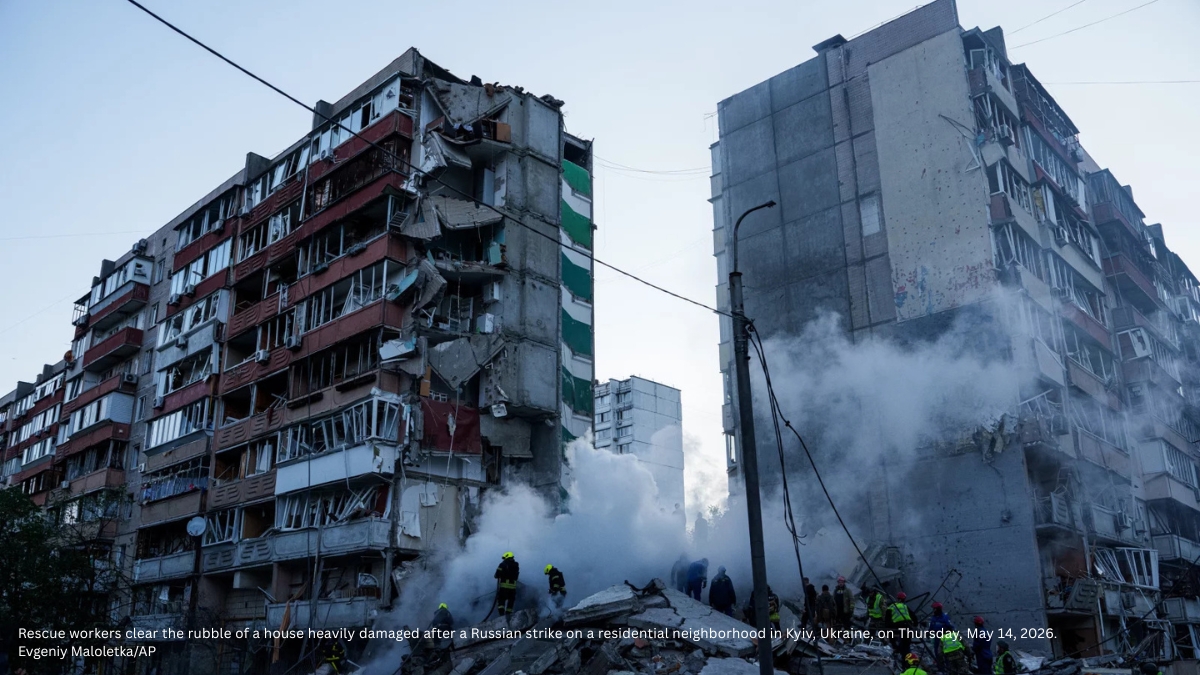
That is the reality behind the latest headlines from Ukraine. On May 19, a senior United Nations official warned the UN Security Council that the war is “becoming deadlier by the day.” The warning followed one of the largest aerial bombardments of Ukraine since Russia’s full-scale invasion began. Between May 13 and 14, Russia reportedly launched more than 1,500 drones and dozens of missiles at cities across the country.
The numbers are difficult to absorb. In April alone, at least 238 civilians were killed and 1,404 were injured, according to the UN briefing.
When people think about war, they often picture the obvious destruction first: collapsed buildings, smoke, shattered glass, and damaged streets. But war also breaks the ordinary systems families depend on every day.
It interrupts work. It destroys income. It makes roads unsafe. It damages stores, schools, homes, hospitals, and power systems. It forces families to leave behind everything familiar. And for many parents, it turns one of the most basic responsibilities — feeding their children — into a daily uncertainty.
The World Food Programme reports that the war continues to displace people, damage infrastructure, disrupt supply chains, and weaken Ukraine’s economy. In areas close to the front lines, access to food can be limited by shelling, drone threats, unsafe roads, and closed supermarkets. Even where food is available, many families can no longer afford enough of it.
The latest escalation in Ukraine has also shown something deeply troubling: even humanitarian aid is not outside the danger.
On May 12, a clearly marked World Food Programme truck carrying food for frontline communities was struck by a drone in Ukraine’s Dnipro region. According to the UN, the truck had just delivered food supplies when it was damaged and the driver was injured.
Two days later, World Central Kitchen reported that one of its vehicles was struck while delivering hot meals in Kherson. The vehicle was being used by a restaurant partner helping bring meals to civilians.
These were not military targets. These were people trying to reach civilians with meals, supplies, and care. Now, volunteers and drivers may be forced to take even greater risks. Families who were waiting for food may have to go without longer.
The impact of these disrupted supply chains and relentless bombardments stretches far beyond the immediate physical danger. It is carving out a crisis that will shape the future of Ukraine long after the smoke clears. And at the very center of this crisis are the children.
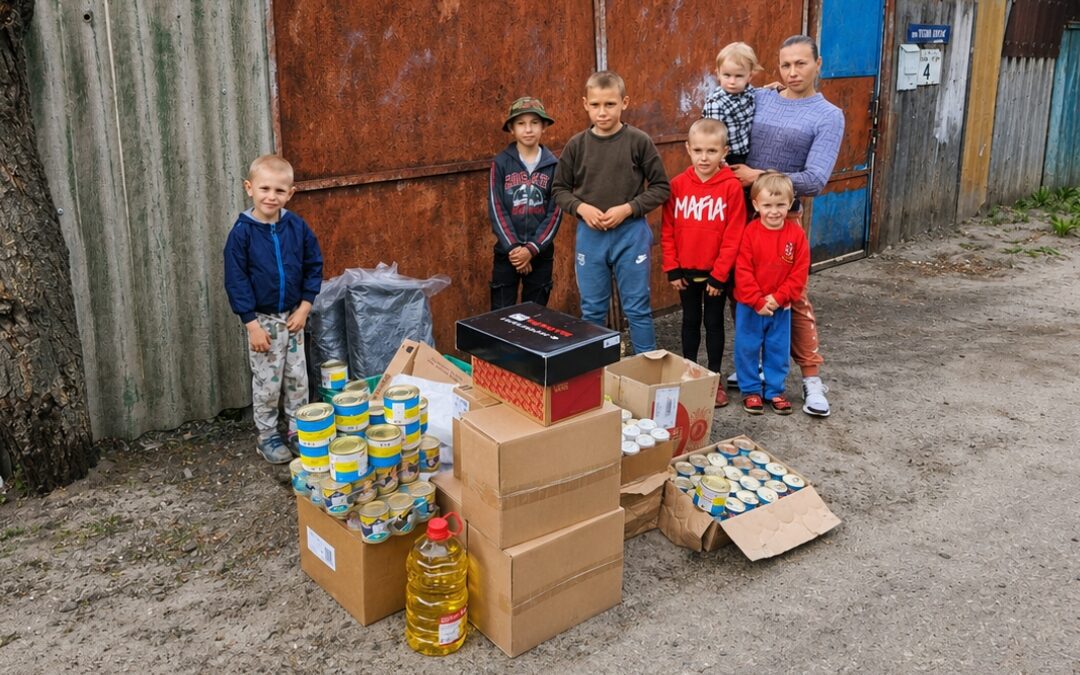
In frontline communities where supermarkets are closed and unsafe roads cut off supplies, families are forced to skip meals or ration what little they have. For young children, this lack of steady, nutritious food leads to malnutrition that can cause irreversible physical and developmental stunting.

A child’s world relies on predictability and safety to grow, but in Ukraine, both have been replaced by chronic uncertainty. The constant hum of drones and the piercing wail of air raid sirens have forced millions of children into a state of toxic stress. Many children living in conflict areas have PTSD, depression, and/or anxiety on some level.
The hunger and declining well-being are leading to further challenges: Children are losing their ability to concentrate, experiencing memory gaps, or regressing in speech. Fear has become a constant companion, altering how they think, learn, and see the world.
When we tally the cost of this war in billions of dollars of damaged infrastructure, we risk missing the most devastating math. The true cost is a generation of children growing up with hypervigilance instead of peace and empty plates instead of a carefree childhood.
As humanitarian organizations fight to reach the millions in need of assistance, the global community must remember that aid is about more than just surviving the day. It is about protecting the mental, intellectual, and physical well-being of the children who will one day have to rebuild their country.
Frequently Asked Questions About Ukraine Food Kits and Humanitarian Aid
Why do Ukrainian children and families still need food kits?
Ukrainian children and families still need food kits because the war continues to damage infrastructure, disrupt supply chains, reduce income, displace families, and make access to groceries unsafe or unaffordable in many communities.
What is usually included in a food kit for families in Ukraine?
Food kits often include basic staple items such as flour, pasta, grains, oats, canned food, oil, sugar, and salt. These supplies help families prepare meals when access to food is limited or unreliable.
How are children affected by the humanitarian crisis in Ukraine?
Children in Ukraine are affected by displacement, disrupted education, trauma, food insecurity, damaged homes, and the constant threat of missile and drone attacks. Humanitarian aid helps provide practical support and a sense of stability during an ongoing crisis.
Are humanitarian workers and food deliveries at risk in Ukraine?
Yes. Recent reports show that aid vehicles and humanitarian workers can face serious danger while delivering food and supplies. In May 2026, both a World Food Programme truck and a World Central Kitchen-linked vehicle were reportedly struck while supporting food delivery efforts in Ukraine.
How does Hope For Ukraine help children and families?
Hope For Ukraine helps children and families affected by the war through humanitarian programs that provide food support, family assistance, medical aid, shelter-related help, child-focused support, and other urgent resources for vulnerable communities.
How can I help provide Ukraine food kits?
You can help by donating to Hope For Ukraine. Your support helps provide food kits and other urgent humanitarian aid for children, families, seniors, displaced people, and communities affected by the war.