
In occupied regions of Ukraine, civilians continue to face one of the most underreported humanitarian emergencies of the war: the large-scale forced mobilization of Ukrainian citizens into the Russian military. According to newly released data from Ukraine’s Coordination Headquarters, 46,327 civilians have been illegally conscripted—a practice prohibited under the Fourth Geneva Convention, which protects civilians living under occupation.
For families still trapped in these areas, the situation is dire. Many individuals are taken with no formal training and sent directly to front-line combat zones, dramatically increasing their risk of injury, capture, or death. Local humanitarian teams working with Hope For Ukraine report that these cases represent not only a legal violation but a severe human rights concern, as civilians are coerced into fighting against their own communities.
A striking data point highlights the scale of the problem: one in six captured Russian soldiers in Ukraine is actually a Ukrainian civilian from an occupied region. This underscores the deeply complex humanitarian reality for families who have no safe path out of occupied territories and little control over what happens to their loved ones.
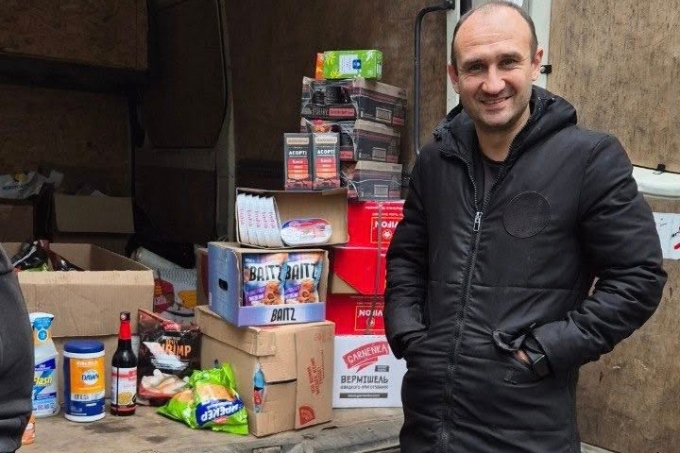
Organizations providing humanitarian support, such as Hope For Ukraine, continue to document the lived experience of these communities. Their teams support displaced civilians, provide emergency relief, and share verified information to ensure these stories are understood within a broader global context. More about their ongoing work can be found on their Programs page:
👉 https://hfu.org/what-we-do/
Context Around Diplomatic Efforts
Amid this humanitarian crisis, business leader Steve Witkoff is expected to make another trip to Moscow—his sixth—to explore potential avenues for reducing conflict. According to Yuriy Boyechko, CEO of Hope For Ukraine, previous visits of this kind have not resulted in meaningful progress. Yuriy notes that these meetings often serve limited practical purpose and may provide opportunities for delays rather than substantive engagement.
Concerns raised by humanitarian partners center on the risk of miscommunication, misinterpretation of diplomatic signals, and inconsistencies between informal discussions and the realities faced by civilians on the ground. The situation also highlights the importance of experienced, structured diplomatic channels—particularly in a conflict where humanitarian, legal, and regional security considerations are deeply intertwined.
While global efforts toward peace are vital, humanitarian organizations emphasize that progress requires clear frameworks, consistent consultation with subject-matter experts, and genuine willingness from all parties to engage constructively. Without these elements, such visits risk being perceived more as symbolic than solution-driven.
Humanitarian Impact and the Need for Continued Attention
For families in occupied territories, the forced mobilization crisis is intertwined with a broader lack of safety, restricted movement, and ongoing economic hardship. Many remain disconnected from essential services and in need of emergency assistance. Hope For Ukraine continues to support displaced families across the country—providing food, shelter, medical support, and long-term recovery programs.
Readers and journalists interested in documenting the experiences of families affected by forced mobilization may request access to interviews through Hope For Ukraine. Yuriy Boyechko has indicated he is willing to share verified testimonies and humanitarian insights to help inform accurate reporting.
Those wishing to support ongoing humanitarian relief efforts can learn more here:
👉 https://hfu.org/what-we-do/