
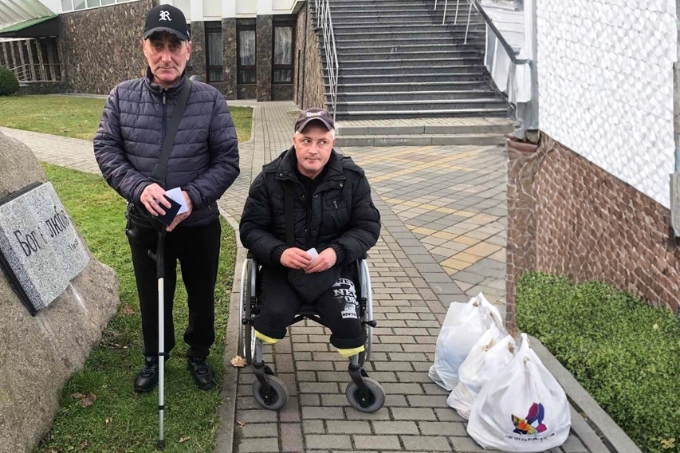
The human cost of the ongoing war in Ukraine continues to deepen, reshaping every part of life for the nation’s people. Beyond the staggering loss of life, tens of thousands of defenders are returning home with life-altering injuries, facing immediate mobility challenges that make even the simplest daily activities difficult. Prosthetics will eventually change lives, but the reality is stark: for many, that solution may be years away. Hope For Ukraine’s Frontline Mobility Project is helping bridge the gap now by providing rugged, all-terrain electric scooters to injured veterans, offering immediate independence, renewed dignity, and the emotional strength that comes from regaining the ability to move through life with purpose. These aren’t symbolic gestures; they are lifelines that allow heroes to reach rehabilitation facilities, engage with their communities, and reclaim normalcy in a world forever changed by conflict. Building on the success of these early efforts, Hope For Ukraine is preparing a major expansion of the program in early 2026 to scale distribution dramatically and reach thousands more veterans in need. Those interested can learn more about Hope For Ukraine’s impact or support the mission directly at https://hfu.org or through the organization’s donation portal at https://donate.hfu.org.
Yet mobility is only one part of the story of resilience in Ukraine. As soldiers fight on the front lines, children across the country are fighting battles of their own—disrupted education, shattered routines, emotional trauma, and the anxiety of growing up in uncertainty. According to the United Nations, more than 340 educational facilities were damaged or destroyed in 2025 alone, and since the full-scale invasion began, more than 1,600 schools have been verified as damaged, leaving millions of children facing barriers to education in their fourth school year under invasion. Hope For Ukraine is drawing a firm line: Ukrainian children must not become casualties of lost opportunity. Through its Educational Project, the organization now provides weekly after-school learning opportunities for more than 600 children throughout Ukraine, reaching communities where traditional schooling is inconsistent or inaccessible. Volunteers meet students wherever they are—big cities, small towns, and frontline regions—to restore structure, connection, curiosity, and joy.
In places like Kirovograd and Kriviy Rih, these programs go beyond academics. Children gather to create, build, paint, design holiday ornaments, and allow their imaginations to breathe again. Art becomes expression, therapy, and resistance. Laughter replaces fear, even if just for an hour. Teachers and volunteers describe these programs not as enrichment, but as emotional protection—guarding childhood itself. For many families, especially single-parent households struggling with grief, displacement, and constant uncertainty, these moments of community support represent stability and hope. Readers can explore more about Hope For Ukraine’s educational initiatives by visiting https://hfu.org and learning how these programs are safeguarding the next generation.
This moment in Ukraine’s story is about more than survival; it is about protecting human dignity in real, tangible ways—ensuring defenders can move forward with independence, and ensuring children still have a future worth dreaming about. It is about a nation refusing to let war define what comes next. As long as the war continues, organizations like Hope For Ukraine remain committed to meeting immediate human needs while building pathways toward long-term recovery. For those who wish to stand beside Ukrainian families, veterans, and children, learning more, sharing their stories, or contributing support can make an impact today at https://hfu.org