
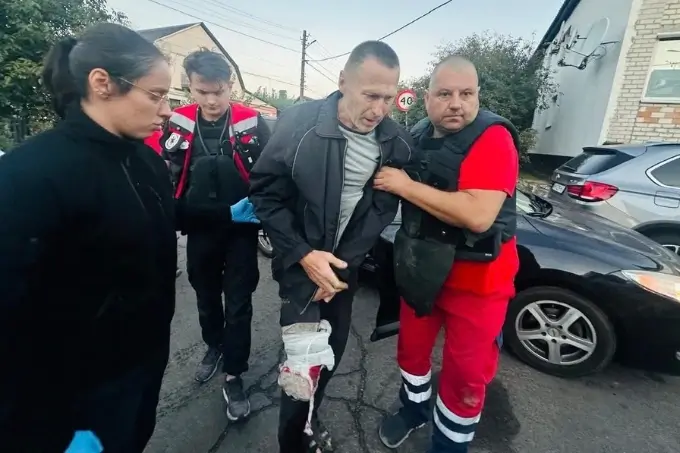
Ukraine is facing one of the most staggering medical and humanitarian challenges of the war: a rapidly accelerating amputation crisis that has left tens of thousands of people without adequate long-term care. By mid-2024, more than 100,000 amputations had been recorded nationwide—an unprecedented number in modern European conflict. And the toll continues to rise.
Despite the scale of the crisis, only about 4% of hospitals in Ukraine offer inpatient rehabilitation, leaving the overwhelming majority of injured soldiers and civilians to navigate recovery with limited medical support. Many are discharged with complex injuries, chronic pain, and significant psychological trauma, but without access to comprehensive rehabilitation or advanced prosthetics.
For those who do seek prosthetics, the financial barrier is immense. Modern bionic limbs can range from $7,000 to more than $50,000, often far beyond the reach of families already burdened by displacement, lost income, or the cost of ongoing medical treatment. While some state compensation exists, access remains inconsistent, leaving many to rely on humanitarian organizations and private donors.
Facilities like the Superhumans Center in Lviv are making measurable progress, fitting up to 75 prosthetics per month, yet even these groundbreaking efforts cannot match the overwhelming demand. The need for physical therapy, trauma care, and mental-health services vastly exceeds the country’s current capacity.
This is where Hope For Ukraine steps in.
Through its nationwide network and one of the strongest boots-on-the-ground presences in the country, HFU delivers critical aid directly to frontline regions, including medical kits, trauma supplies, warm clothing, hygiene products, and emergency food assistance. The organization also rescues civilians from active war zones and supports injured soldiers as they transition back to civilian life.
On a recent HFU mission, volunteers met with numerous amputees just days or weeks after leaving combat—many still processing the trauma of sudden limb loss. For these individuals, the struggle is not only physical. Studies show that 15–41% of amputees suffer from PTSD, and 20–55% experience depression following their injuries. Behind each statistic is a story of a family reshaped, a career cut short, or a life forced into abrupt transition.
“These are people who sacrificed everything,” said Yuriy Boyechko, CEO of Hope For Ukraine. “Many have no voice, no resources, and no long-term plan for care. Our goal is to make sure they are not forgotten.”
HFU’s commitment to supporting wounded soldiers and civilians reflects the organization’s broader mission to restore dignity, stability, and hope. You can read more about HFU’s mission here: HFU Mission Statement.
For journalists or partners seeking to cover this crisis, HFU is able to provide field insights, photographs, firsthand accounts, and interviews with veterans receiving support through its programs. To learn more about HFU’s ongoing humanitarian efforts, visit the Hope For Ukraine website.