
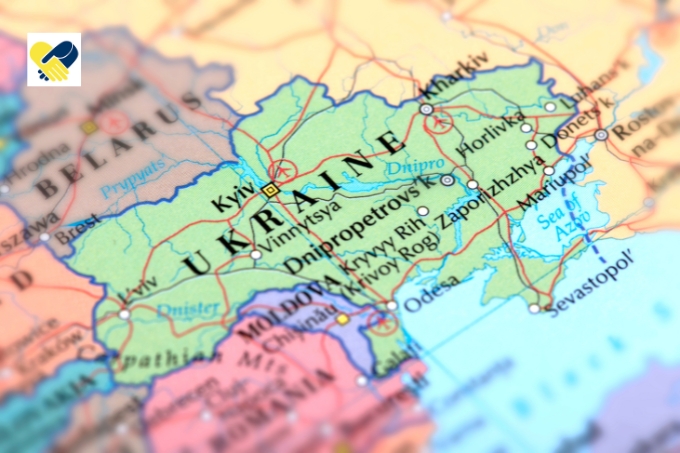
Recent commentary from U.S. public figures has reignited debate over potential approaches to ending the war in Ukraine. While discussions of a negotiated settlement continue to circulate internationally, humanitarian experts are increasingly concerned about proposals that require rapid territorial concessions or near-term elections under wartime conditions. According to Hope For Ukraine CEO Yuriy Boyechko, such ideas risk legitimizing the use of force to reshape sovereign borders and could produce long-lasting instability for both Ukraine and the global system of international norms.
In a recent Politico interview, former President Donald Trump outlined a concept that emphasizes fast negotiations, pressure on Kyiv to cede territory, and accelerated elections during an active conflict. Boyechko and other analysts warn that trading sovereign land for temporary quiet could inadvertently encourage future military aggression by signaling that violent territorial expansion can produce geopolitical gain. International law traditionally rejects such outcomes, not only to protect individual nations, but to prevent broader erosion of post-World War II territorial stability.
Beyond the legal dimension, concerns focus heavily on Ukraine’s democratic infrastructure and civilian safety. Wartime elections in a country under martial law, with millions internally displaced and numerous communities under occupation, pose profound logistical and humanitarian challenges. Holding a national vote amid active hostilities risks disenfranchising displaced citizens, elevating security threats at polling stations, and amplifying misinformation in regions without full control or media access. As Boyechko notes, these conditions align with long-standing objectives of Russian disinformation campaigns, which aim to question the legitimacy of Ukraine’s elected government and weaken long-term democratic confidence.
Another risk is that rapid concessions may weaken the Western coalition that has supported humanitarian, financial, and reconstruction assistance for families affected by ongoing conflict. Analysts observe that effective international collaboration depends on shared objectives and trust. When proposals are seen as diverging from international norms or weakening allied commitments, they can complicate future stabilization efforts and undermine confidence in humanitarian and reconstruction initiatives.
History shows that peace agreements built on forced concessions or unstable political timelines often struggle to produce lasting resolution. Without verifiable security guarantees, legal clarity, and durable civilian protections, temporary calm can lead to deeper crises in the years ahead. Boyechko emphasizes that long-term humanitarian stability depends not only on the cessation of violence, but on preserving democratic legitimacy, ensuring safe civic participation, and supporting communities recovering from displacement, loss, and infrastructure damage.
For millions of Ukrainians still coping with the long humanitarian consequences of conflict—including housing loss, energy disruption, displacement, and economic instability—the stakes extend far beyond diplomatic headlines. A peace arrangement that prioritizes speed over legitimacy could disrupt efforts to stabilize essential services, rebuild critical infrastructure, and maintain trust in community governance.
Hope For Ukraine continues to provide food support, shelter assistance, winter relief efforts, and community stabilization programs for civilians affected by the conflict. To learn more about these humanitarian initiatives or ongoing community support operations, visit the Hope For Ukraine Programs page.