
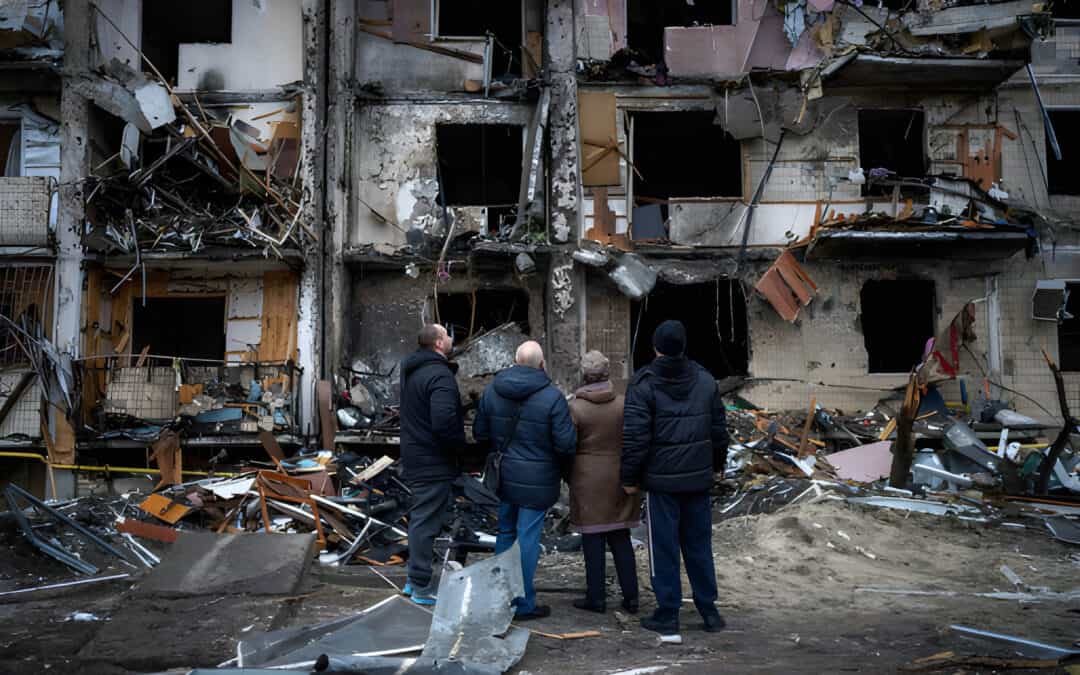
Ukraine eclipsed Moldova as the poorest country in Europe, research done by World Population Review finds. With a GDP of just $6,067, the future of the country is in danger.
Before Russia’s full-scale invasion in February 2022, Ukraine was building towards stability and growth. Its tech sector was growing. Kyiv has earned a reputation as a hub for software engineers and IT talent. Agriculture was strong. Ukraine supplied roughly 10% of the world’s wheat, 16% of its corn, and nearly half of its sunflower oil. Young Ukrainians were feeling cautiously optimistic about staying home and building a future there.
The invasion didn’t just damage buildings. It targeted the foundations of how a country functions. Ukraine’s power grid has been struck repeatedly since 2022. Millions of people go without reliable electricity and heat for months at a time. Businesses can’t operate on unpredictable power. Hospitals run on generators. The energy sector, which was beginning to grow into one of Ukraine’s strongest economic assets, has taken enormous damage. Manufacturing and industrial facilities across eastern and southern Ukraine have been destroyed or forced to scale back. Those still running face labor shortages, supply chain problems, and the ongoing threat of another strike. Foreign companies are hesitant to invest in a country where that kind of risk exists constantly and for the foreseeable future.
Ukraine’s role as a major food exporter is under serious pressure, too. Fields have been mined, making farming dangerous. Workers have left or been conscripted, causing labor shortages. Export routes through the Black Sea have been disrupted. The food Ukraine once sent to countries across the world is harder to grow and harder to sell and transport.
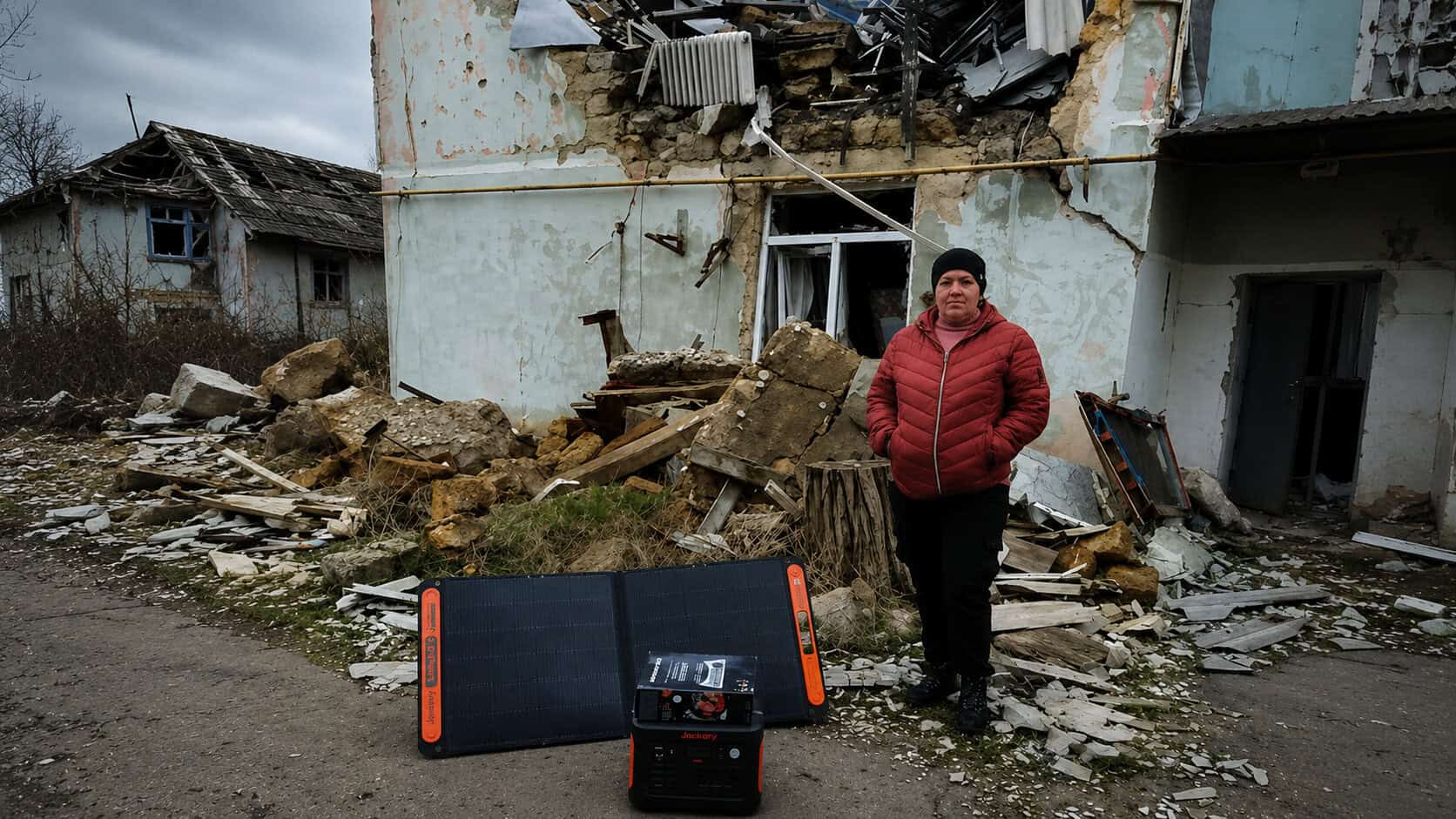
Then there’s the people leaving. Even before 2022, Ukraine’s most skilled workers, engineers, doctors, and finance professionals were moving to Western Europe for higher wages. The war accelerated the “brain drain” significantly. When a country loses large numbers of educated and experienced people, recovery becomes much harder. Businesses can’t grow without workers, tax revenue falls, and public services weaken. Each of these problems feeds the next.
The people affected by all of this didn’t start a war. A grandmother in Kharkiv managing on a fixed income didn’t ask for her heating to be unreliable. A small business owner in Zaporizhzhia didn’t choose to rebuild from damage multiple times. A nurse in Lviv didn’t sign up to work in a hospital running on backup power. These are ordinary people absorbing the cost of a conflict that was forced on them.
Three years in, it’s understandable if the news from Ukraine feels like background noise. Updates come constantly and seem to focus on nothing but destruction. But when public attention fades, so does the pressure on governments to maintain support. The foreign aid that is keeping Ukraine afloat depends on political will, and that will is heavily influenced by the people of Western nations staying informed and engaged.
Ukraine’s economy can and will recover, but not without sustained attention and support for the people still there, still working, still holding their communities together. Hope For Ukraine works directly with Ukrainians affected by the war, turning hope and care into action to provide humanitarian and essential services for the communities who keep fighting.
Learn more about the situation in Ukraine and Hope For Ukraine’s work: https://hfu.org/how-to-help/ukraine-relief-campaigns/
Sources
World Population Review. “Poorest Countries in Europe 2026.” worldpopulationreview.com
ScienceDirect. Glauber, J. and Laborde, D. (2022). “The Logistics of Grain Exports from Wartime Ukraine.” Food Policy.
USDA Economic Research Service. “Ukraine’s Rise in Grain and Sunflower Seed Market Share Limited by Ongoing War.” ers.usda.gov. May 2024.
Green European Journal. “Ukraine: Still Europe’s Breadbasket.” greeneuropeanjournal.eu. January 2024.