
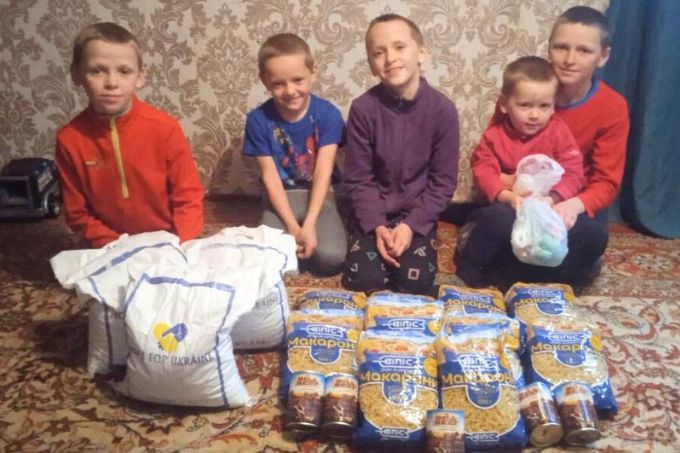
As Ukraine enters another year of economic instability, new findings reveal a sharply worsening poverty crisis affecting millions of families. While global attention often concentrates on diplomatic developments or the state of infrastructure, the financial reality facing ordinary Ukrainians has become one of the country’s most urgent humanitarian concerns.
Hope For Ukraine (HFU), which works daily with vulnerable families across multiple regions, reports a dramatic increase in the number of households struggling to meet basic needs. The economic pressure—shaped by disrupted employment, rising costs, damaged housing, and ongoing displacement—is creating long-term challenges that are reshaping community life across the country.
A Rapid Increase in Poverty Across Ukraine
By late 2025, more than 9 million Ukrainians are now living below the poverty line — an increase of 1.8 million people since the conflict’s escalation. Recent national indicators underscore how deeply families are affected:
-
15.5% unemployment rate
-
Three out of four households reporting financial hardship
-
Large numbers of families reducing food consumption to cope with shrinking budgets
This sharp economic decline is felt most acutely by internally displaced families, households caring for veterans, and those supporting loved ones with war-related disabilities. Many have been uprooted multiple times, lost stable employment, or depleted savings meant for long-term security.
HFU teams serving these communities report that families who once lived comfortably now face difficult choices: heating homes or buying groceries, paying rent or purchasing medication, staying in damaged apartments or relocating again with limited resources.
Learn more about HFU’s ongoing programs here: What We Do.
The Hidden Cost of Displacement and Instability
Beyond economic data, the lived experiences of families tell a more complete story. Parents describe difficulty finding stable work while caring for children displaced from their schools. Elderly residents face rising medical expenses. Communities once known for close-knit social networks are now adapting to constant movement and uncertainty.
HFU staff note that the poverty crisis is not simply a temporary setback — it is shaping a new reality for families attempting to rebuild their lives amid long-term instability. A lack of reliable income, disrupted essential services, and ongoing displacement create cycles of struggle that are difficult to break without sustained support.
Why Long-Term Stability Matters
Humanitarian experts emphasize that economic stability is a cornerstone of long-term recovery. When families have reliable access to food, shelter, warmth, and employment, communities become stronger, healthier, and more resilient.
HFU’s support programs — including food kit distribution, winter assistance, temporary shelter, and community aid — are designed to fill the most urgent gaps. But the scale of the current poverty crisis suggests that sustained attention and resources will be needed for years to come.
You can explore HFU’s relief work across Ukraine here: What We Do.
A Call for Broader Awareness
Despite its scale, the poverty crisis in Ukraine remains underreported. HFU aims to bring attention to the financial hardships reshaping everyday life — not only to highlight the challenges, but to encourage a broader conversation about long-term recovery and community resilience.
HFU is available to provide interviews, family stories, and on-the-ground perspectives from its regional teams. Understanding this crisis more fully is an important step toward ensuring that families have the resources, stability, and support they need to rebuild their lives.