
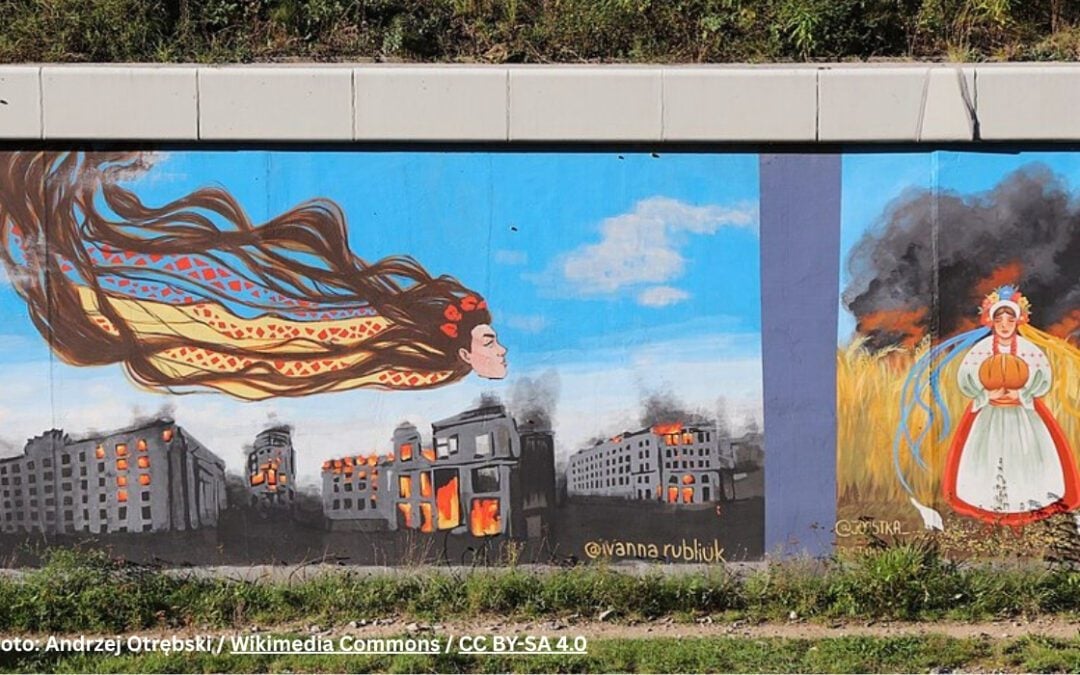
We see the physical effects of war and geopolitical conflict easily: communities demolished, infrastructure reduced to rubble, families displaced, and people hungry. We see it on our screens, we read about it in the newspaper. But the effects of war go deeper – war changes and shapes culture and traditions, as well.
Ukrainians are changing their language in real time. In 2022, nearly half of Ukrainian households spoke Russian at home. By 2025, that had dropped to 30%, and the Ukrainian language climbed to 68%. People are choosing to speak more Ukrainian as a way to showcase their identity. This is not mandated by the government, but rather people deciding who they are and who they refuse to be. Putin invaded partly to “protect” Russian speakers in Ukraine. He has instead presided over the fastest voluntary language shift in modern European history.
It’s extraordinary. Language is how you think, dream, and speak. Switching languages is a restructuring of the self, and Ukraine is doing it in the middle of the war as a way to stand firm in its identity, without backing down.
Similarly, Ukrainian artists are producing work inside an active war. Murals cover bombed facades. A wartime archive has collected more than 10,000 pieces from 220 artists since 2022, and they are planning international exhibitions. Kyiv became a UNESCO City of Music last year. This is not a culture in decline, but a culture standing firm and redefining itself on its own terms.
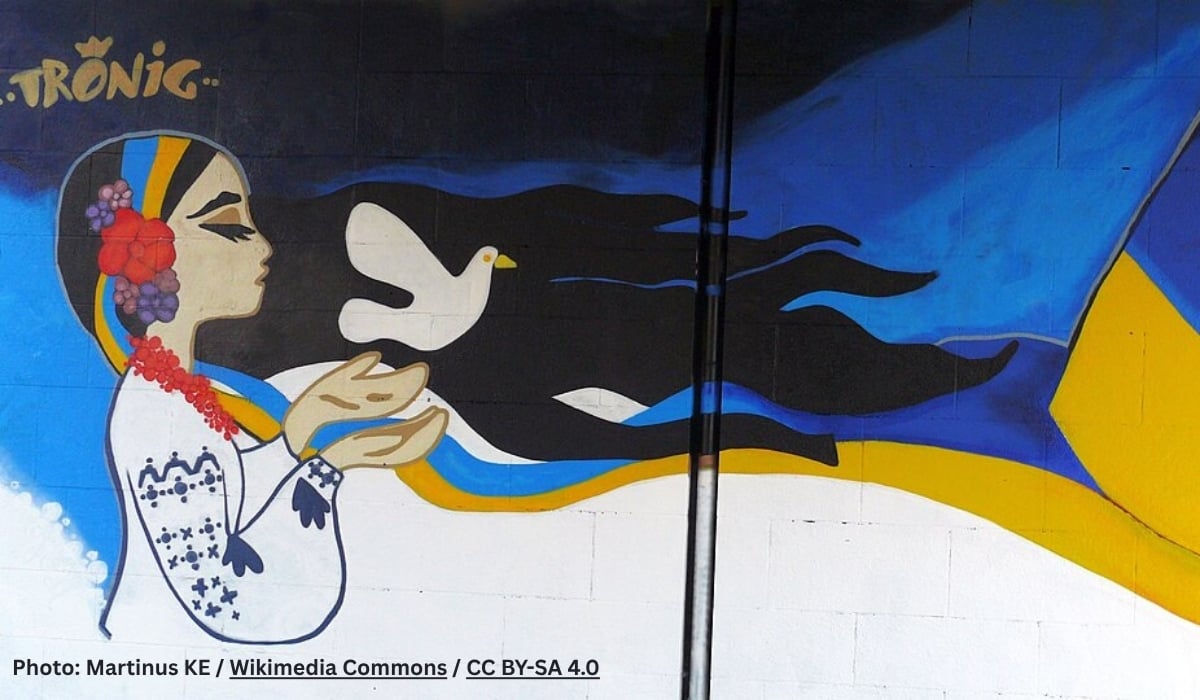
One Ukrainian writer described it not as a cultural renaissance, but a trauma response. A wounded body activates its recovery mechanisms. Culture under existential threat behaves the same way: growing rapidly, sometimes abnormally, trying to survive.
The world outside of Ukraine must continue to pay close attention to the country. When donors and supporters step back from Ukraine, they are withdrawing their witness. The language shift, the art, and the insistence on cultural survival require an audience. They require people outside Ukraine who understand that a living culture is at stake.
Humanitarian support, such as food for families, solar kits, care for children and seniors, is part of that same fight. You cannot separate the physical from the cultural. People who are hungry or cold or displaced are not painting murals or teaching their children Ukrainian folk songs. Survival comes first. Survival ensures the endurance of culture and language.
The only question is whether the world as an audience stays present long enough to honor it. At Hope For Ukraine, we intend to. We hope you will, too.
Sources