
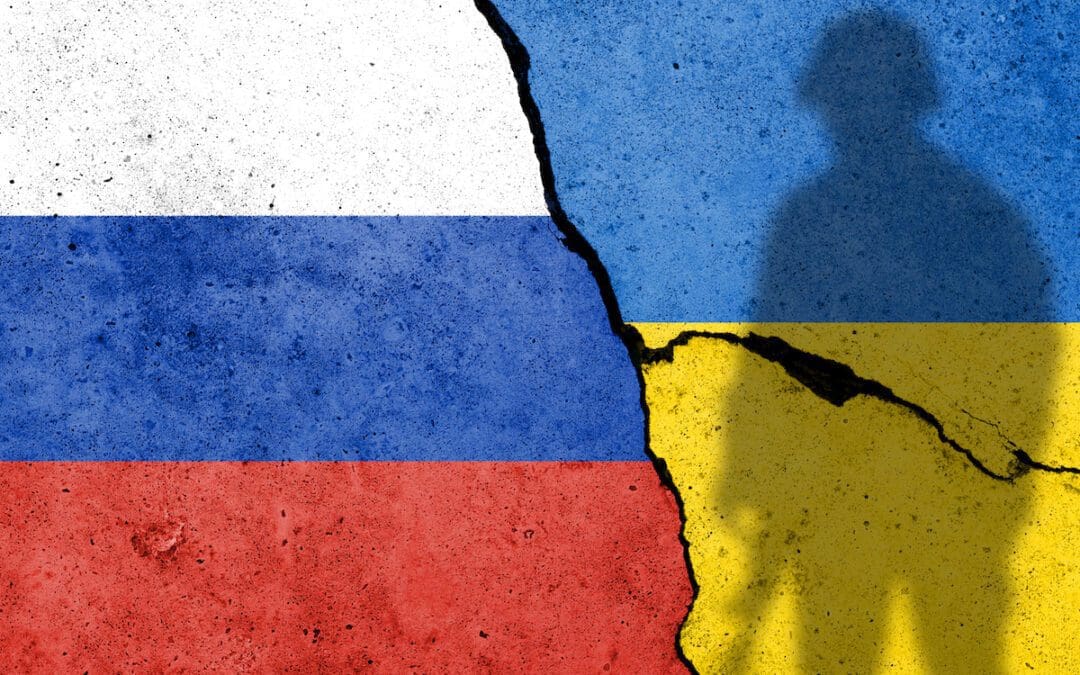
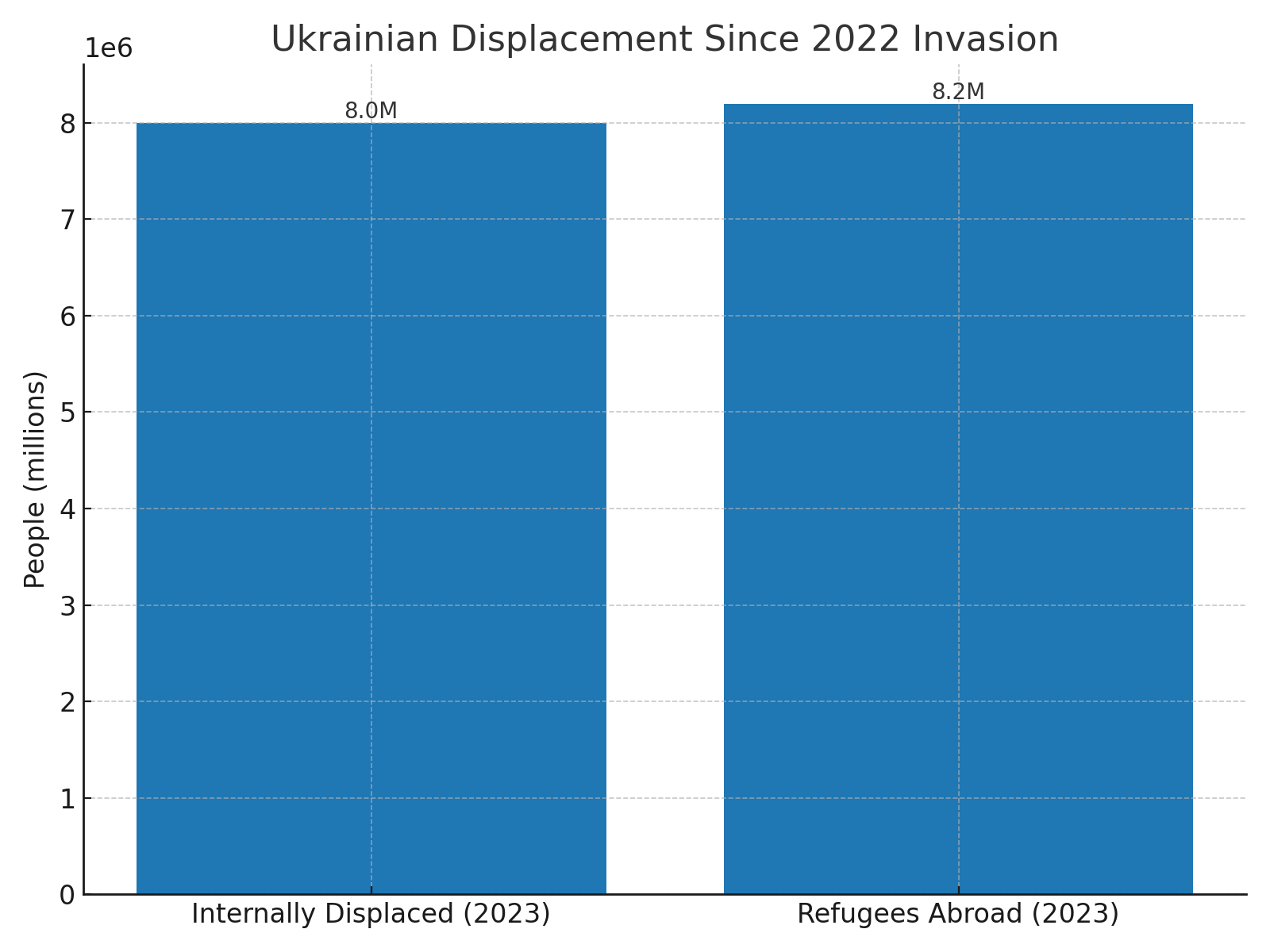
On February 24, 2022, Russia launched a full-scale invasion of Ukraine, marking the most significant and deadliest conflict in Europe since World War II. The war escalated a simmering conflict that began in 2014, when Russia annexed Crimea and backed separatists in eastern Ukraine. As of 2025, Russian forces occupy about 20% of Ukrainian territory, and the war has caused hundreds of thousands of casualties and Europe’s largest refugee crisis in generations. But why did Russia invade Ukraine in the first place?
Historical Background: From Post-Soviet Cooperation to Conflict
After the collapse of the Soviet Union in 1991, Russia and Ukraine initially maintained cordial ties. In 1994, Ukraine surrendered its nuclear arsenal—the world’s third largest at the time—in exchange for security guarantees under the Budapest Memorandum, signed by Russia, the U.S., and the U.K. This agreement promised to respect Ukraine’s sovereignty and territorial integrity.
However, tensions grew in the 2000s as Ukraine leaned closer to the European Union and NATO, alarming Moscow. The 2014 Revolution of Dignity—when Ukraine’s pro-Russian president was ousted following mass protests—marked a turning point. Russia responded by annexing Crimea and fueling separatist wars in Donetsk and Luhansk, which set the stage for the full-scale invasion eight years later.
Russia’s Justifications vs. Reality
In late 2021, Russia massed troops near Ukraine’s borders and demanded that Ukraine be permanently barred from joining NATO. Despite repeated denials of invasion plans, President Vladimir Putin announced a “special military operation” on February 24, 2022. His stated reasons included:
- Protecting the Donetsk and Luhansk separatist regions.
- “Demilitarising and denazifying” Ukraine—a false claim that neo-Nazis controlled Ukraine’s government.
- Preventing genocide against Russian-speaking minorities in the Donbas, another baseless assertion.
In reality, analysts agree imperialist ambitions drove the invasion, efforts to reassert control over Ukraine, and Russia’s opposition to Ukraine’s westward integration. Putin himself published essays denying Ukraine’s statehood, framing it as historically “Russian land.”
Strategic and Economic Motives
Beyond ideology, economic and strategic factors played a role. Ukraine holds vast natural resources—coal, gas, rare earths, and especially lithium—valued at over $11 trillion. Control of Ukraine’s fertile farmland and energy assets would give Russia leverage over global markets.
Geopolitically, Ukraine is a buffer state between Russia and NATO. By controlling Ukraine, Russia sought to weaken NATO’s influence in Eastern Europe and restore a “sphere of influence” reminiscent of the Soviet era.
Global Response and Humanitarian Toll
The invasion triggered global condemnation. The United Nations General Assembly demanded Russia’s withdrawal, while the International Criminal Court opened investigations into war crimes and issued arrest warrants for Putin and senior officials. Western nations imposed sweeping sanctions, isolating Russia economically, while providing Ukraine with billions in humanitarian and military aid.
The human toll has been devastating:
- Tens of thousands of Ukrainian civilians have been killed.
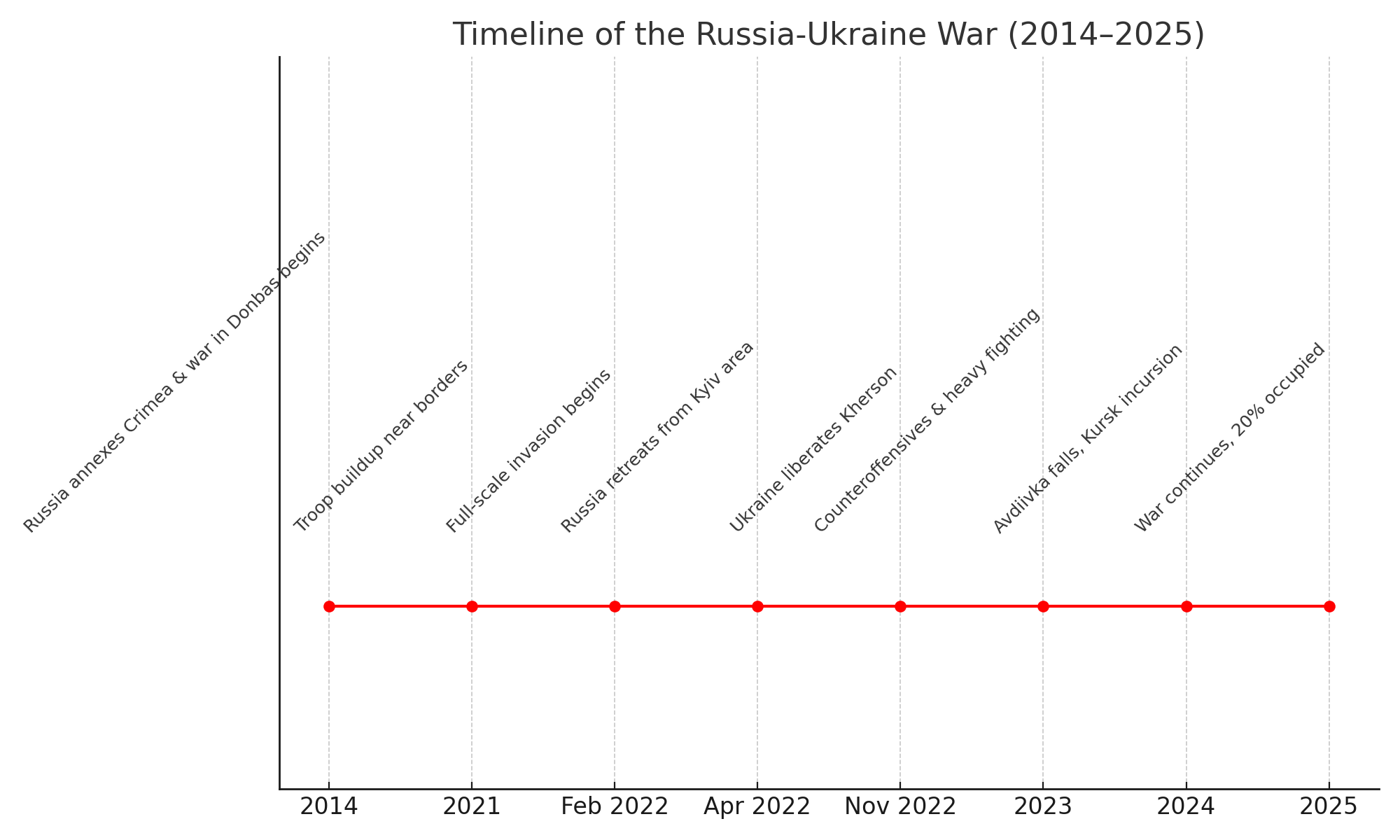
- Over 8 million refugees are fleeing abroad.
- Widespread destruction of cities and infrastructure, including attacks on hospitals, schools, and energy grids.
- Allegations of genocide, mass deportations of children, and systematic war crimes in occupied territories.
Amid this crisis, humanitarian organizations like Hope For Ukraine have provided food, medical care, solar resilience kits, and shelter to families affected by the war. Each week, HFU distributes over 1,700 meals and runs programs for children displaced by the fighting. Supporting nonprofits like HFU is one of the most direct ways people worldwide can help Ukrainians survive and rebuild.
Conclusion: Why the War Continues
Russia invaded Ukraine to reassert dominance, block NATO’s expansion, and seize economic resources, all underpinned by Putin’s neo-imperialist worldview. Yet, instead of a quick victory, the war has dragged on for years of attrition. Ukraine’s resilience and international support have prevented Russia from achieving its goals, but the conflict continues to reshape global security, energy markets, and humanitarian systems.
The question of “why did Russia invade Ukraine” is not just about 2022—it reflects decades of geopolitical tension, clashing identities, and Russia’s unwillingness to accept Ukraine as a fully independent nation.
How You Can Help
While the challenges are enormous, individuals around the world can make a real difference. By supporting Hope for Ukraine, you provide immediate relief to families in need and contribute to long-term recovery efforts.
-
Donate: Every contribution provides meals, clothing, medical aid, and hope.
-
Volunteer: Your time and skills can directly support displaced families.
-
Spread Awareness: Share our mission and help keep Ukraine in the global spotlight.
Together, we can bring support, stability, and hope to those who need it most.
great article would love to see more