In many parts of Ukraine, the war is not something people follow from a distance. It is part of daily life.
In the Kharkiv region, mornings often begin with checking what happened overnight. Whether there were strikes nearby. Whether it is safe to leave home. Whether the day will be quiet.
One volunteer described it simply:
“In the Kharkiv region, war is not news. It is everyday life.”
People still work, study, and care for their families. But the conditions around them have changed. Air raid sirens are familiar. Power outages are common. Children know where shelters are.
“An ordinary day without shelling is already a small victory.”
It Starts When Looking Away Is No Longer an Option
For many volunteers, the work did not begin with a formal plan. It began with seeing people in need and not being able to ignore it.
One volunteer from the Kharkiv region said:
“Volunteering did not choose me — I simply could not choose otherwise.”
In the early days of the war, families began arriving from occupied areas. Some had left with almost nothing.
One family escaped from an occupied village with their children and eight dogs.
“They had nothing. No belongings. No certainty about tomorrow. Only fear, exhaustion, and hope that someone would help them.”
That moment stayed with the volunteers. It made clear that many more families would need support.
“If not us — then who?”
What Volunteers in Ukraine See That Changes Everything
In Kryvyi Rih, one volunteer described traveling to villages after the de-occupation of the Kherson region.
In one village, no house was fully intact. There, volunteers met a grandmother, grandfather, and three small grandchildren living in a summer kitchen. The children’s mother had left for another city to work so she could help repair the home and provide food.
When the volunteers entered, the children were scared.
“Then the grandmother calmed them and said we were kind and would not harm them.”
The volunteers gave the children treats, played with them, and talked with the family.
For the volunteer, the moment was hard to forget.
“It is very frightening that children see such horrors, and even scarier that a mother has to be separated from her children in this way.”
Why Volunteers Continue to Help Ukraine Families
The reasons volunteers continue are often simple.
They see the need. They see the gratitude. They know what happens if the help stops.
One volunteer said:
“If you stop — someone will be left without help.”
Another described the motivation as the small signs that the work matters:
“Their gratitude, sincere smiles, and their difficult stories.”
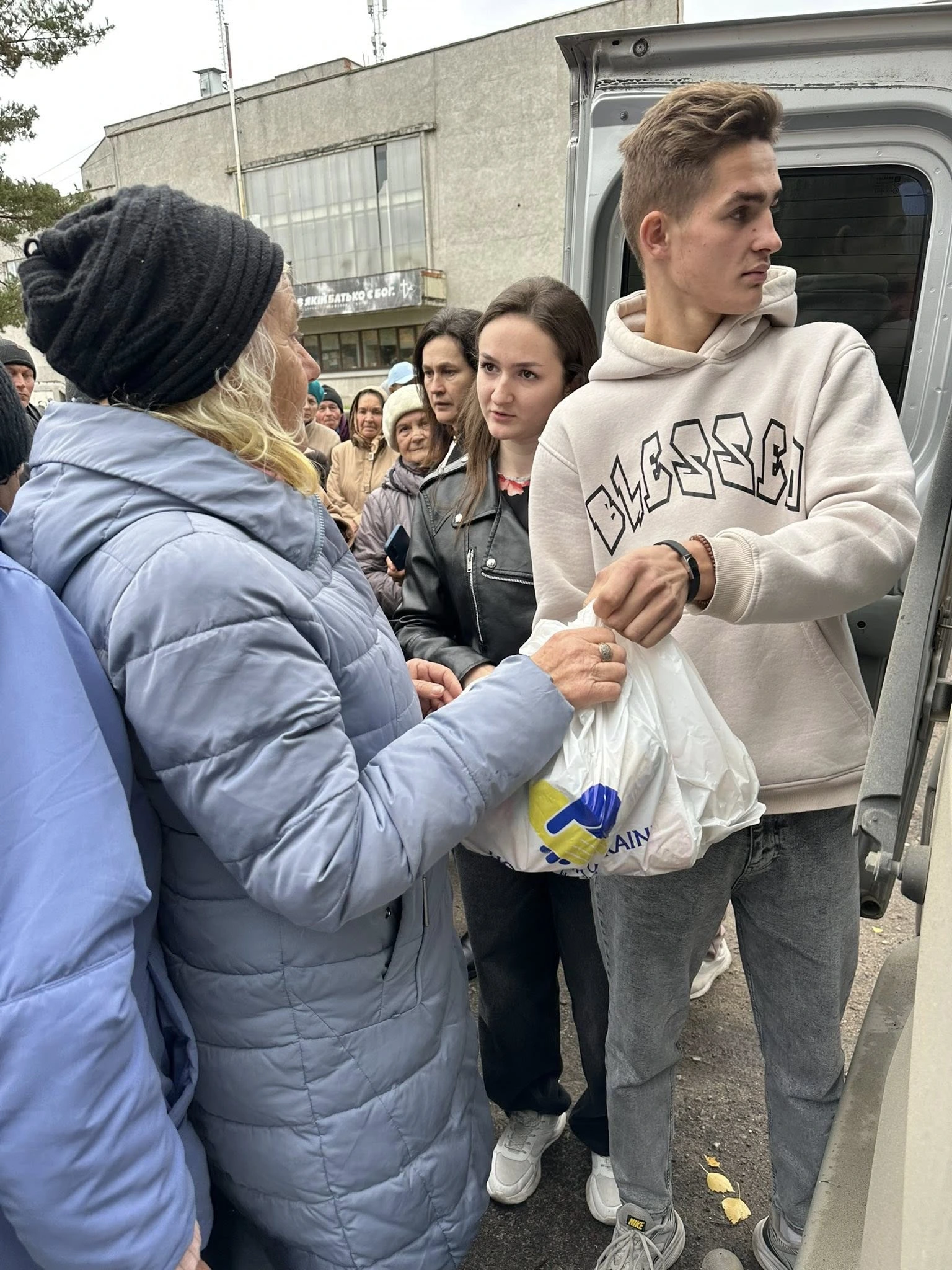
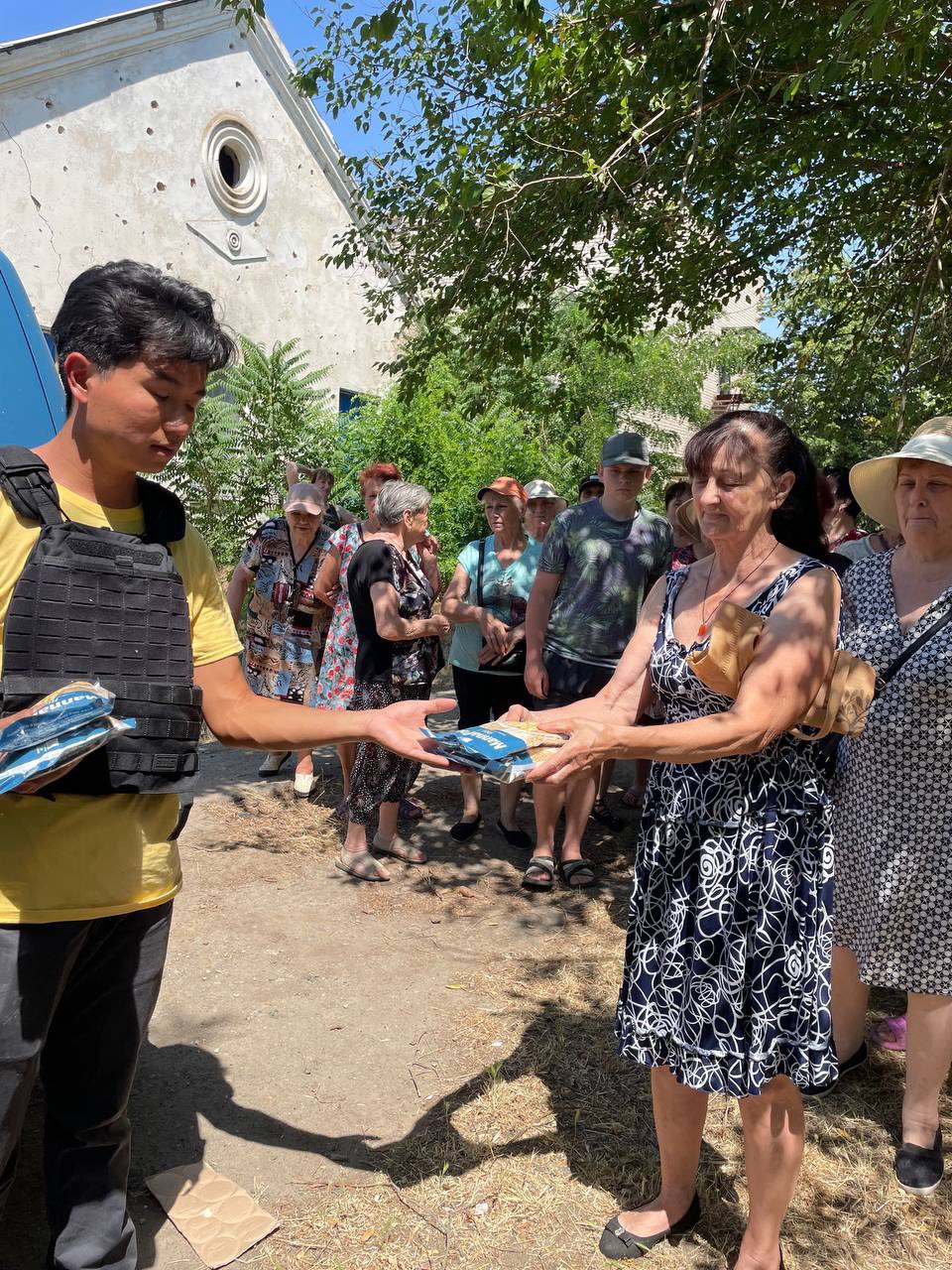
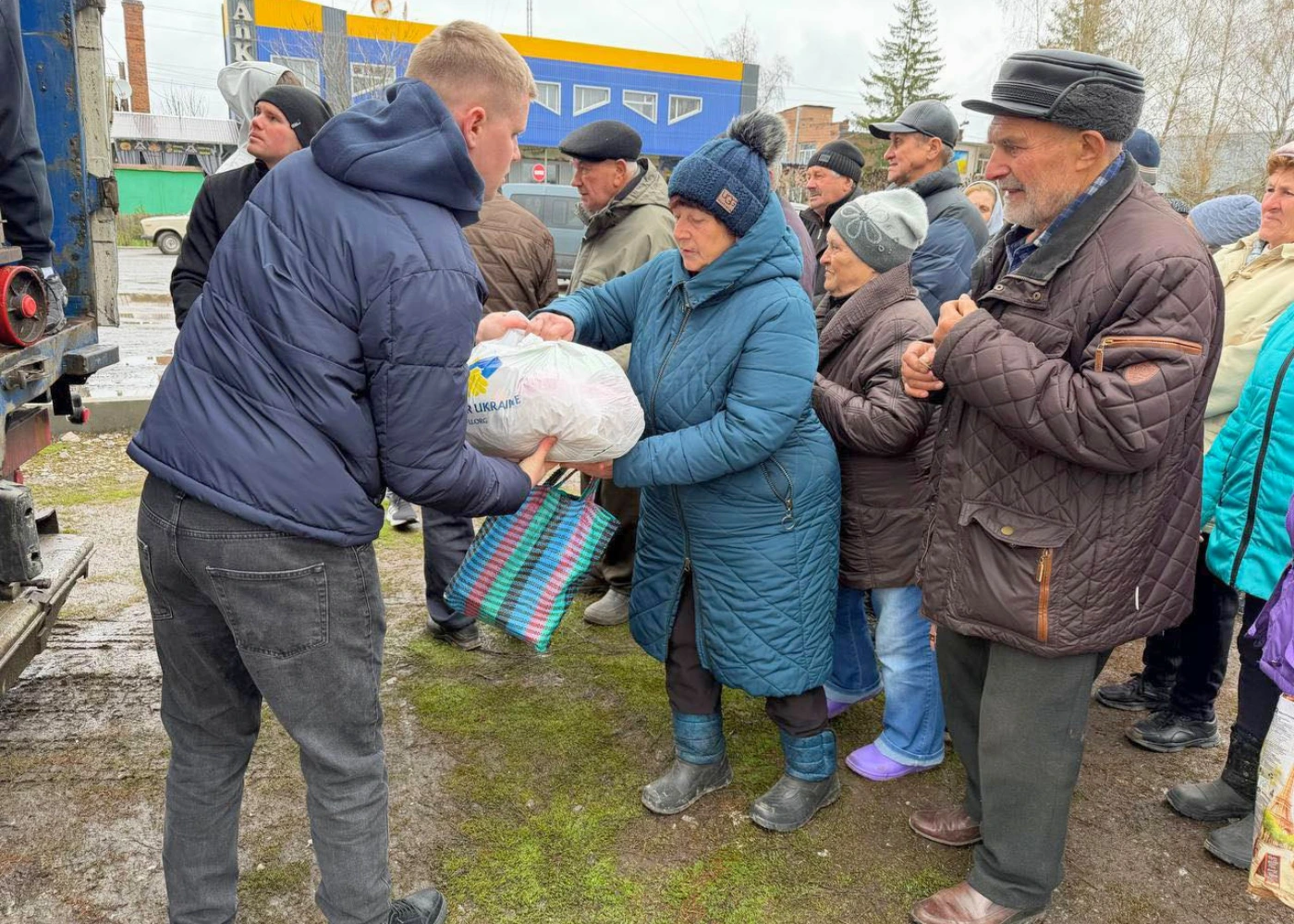
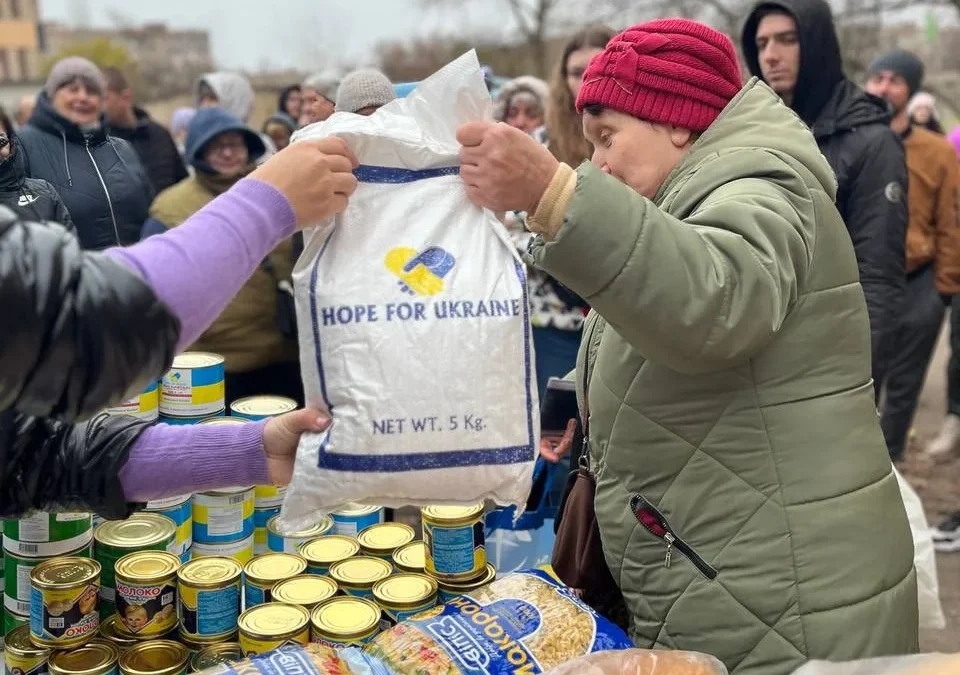
For families living through the war, support is not abstract. It is food, hygiene supplies, clothing, attention, and a reminder that they have not been forgotten.
As one volunteer put it:
“Sometimes a kind word, a food package, or just attention can be what helps someone get through another difficult day.”
Why Support and Hope Still Matters in Ukraine
The war has continued for years, but daily needs have not disappeared.
People are still displaced. Families are still living with damage, loss, and uncertainty. Volunteers are still delivering food kits, checking documents, organizing distributions, and supporting people who have nowhere else to turn.
Outside support helps make that work possible.
Donations help provide food for families, safe shelter for clothing and hygiene supplies, and basic support for families affected by the war in Ukraine.
For the people receiving help, even a small act can mean one more difficult day becomes manageable.
If you are looking for how to help Ukraine, there are direct ways to support families on the ground
This is Why the Work Continues in Ukraine
Understanding why people are still helping in Ukraine does not require a complicated answer.
They have seen what happens when families are left with nothing.
They know the need is still there.
And as long as they can help, they keep going.
For those who want to take action, you can donate to support Ukraine and help provide critical humanitarian aid to families who need it most.